Modern travel often feels like a race. Faced with limited holiday time and endless lists of attractions, many travellers try to see as much as possible in the shortest amount of time. While this approach can be exciting, it frequently leaves people returning home exhausted rather than refreshed.
Slow travel offers an alternative philosophy. Instead of rushing between destinations and ticking landmarks off a checklist, it encourages travellers to spend more time in fewer places. The goal is not simply to see a destination but to experience it more deeply.
One of the greatest advantages of slow travel is the opportunity to connect with a place on a more meaningful level. When visitors spend several days or even weeks in one location, they begin to notice details that would otherwise be missed. Local routines become familiar, neighbourhood cafés feel welcoming and hidden corners reveal themselves naturally.
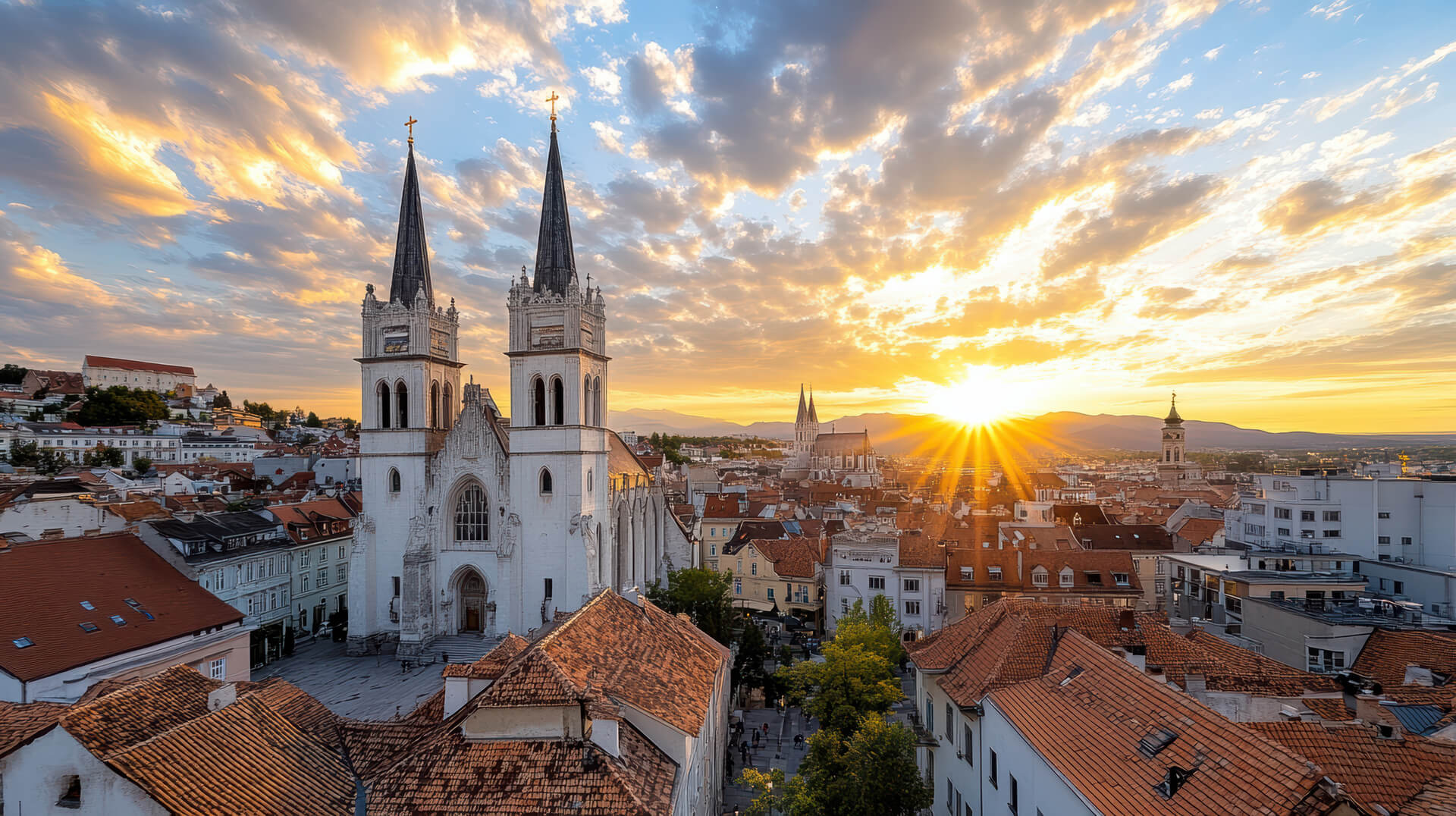
This deeper connection often leads to stronger memories. Many travellers discover that they remember spontaneous moments far more vividly than famous attractions. A conversation with a local resident, an unexpected sunset or a quiet morning watching daily life unfold can leave a lasting impression.
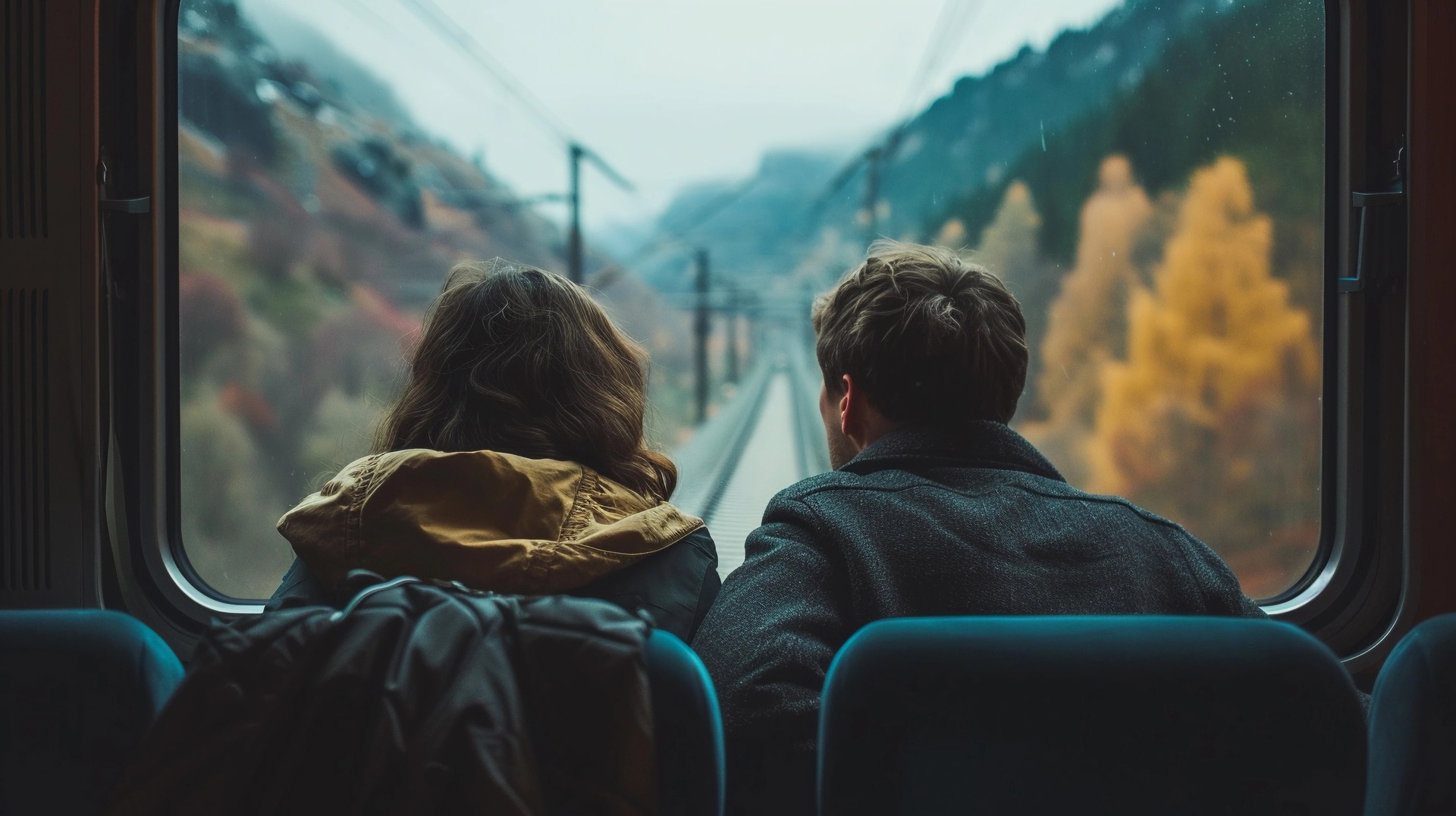
Slow travel also reduces stress. Constantly moving between cities, airports and hotels can quickly become tiring. Every change requires planning, transportation and adjustment. By staying in one location for longer, travellers spend less time managing logistics and more time enjoying their surroundings.
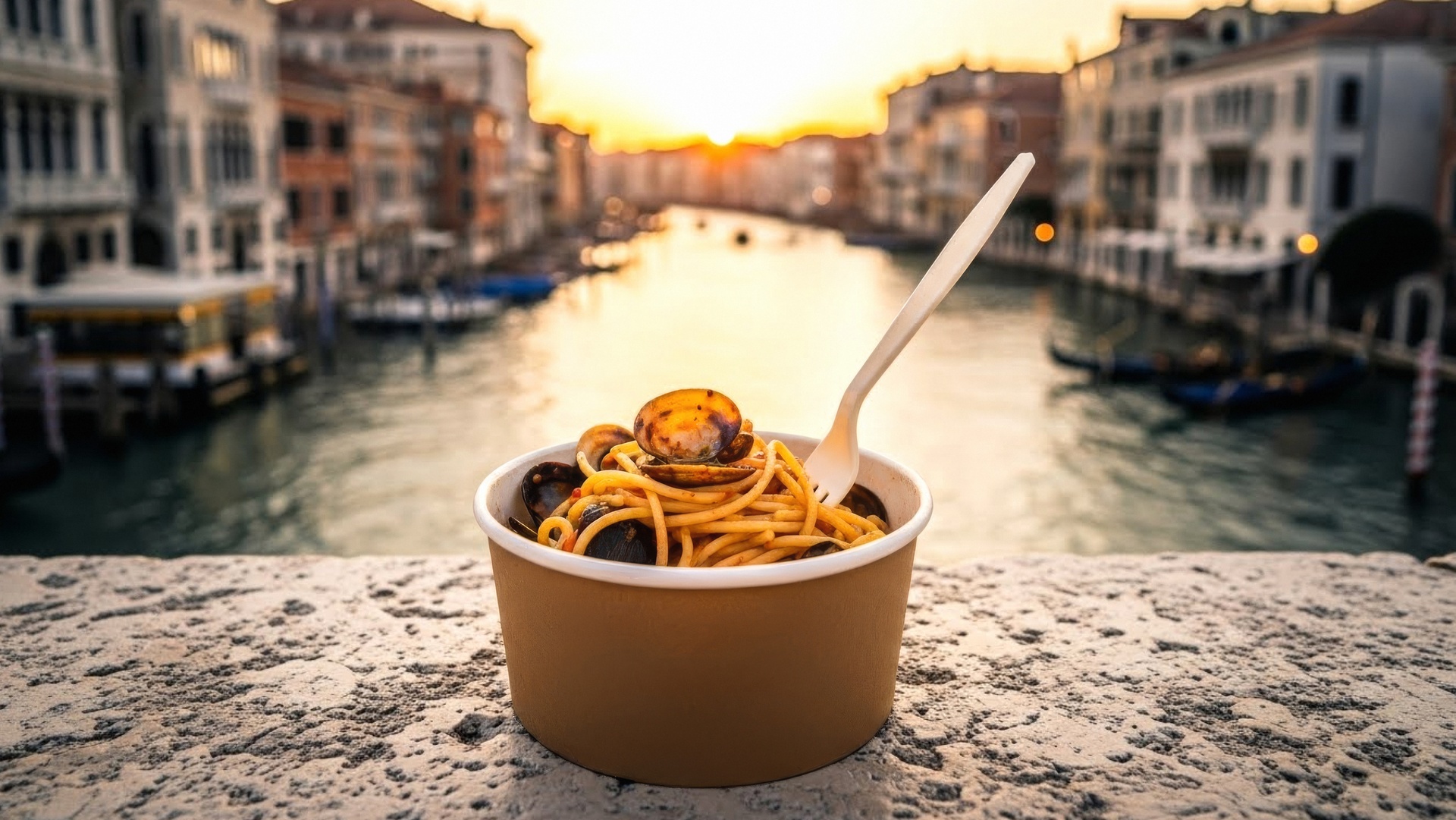
Food is another area where slow travel shines. Rather than eating hurried meals between activities, travellers have the opportunity to explore local cuisine properly. Returning to favourite restaurants, visiting markets and trying regional specialities creates a richer understanding of a destination’s culture.
The approach can also be surprisingly economical. Frequent transport costs often consume a significant portion of a travel budget. By reducing the number of journeys, travellers can allocate more resources towards experiences, accommodation or longer stays.
Many destinations reveal their true character only after the initial sightseeing is complete. The first day may be spent visiting landmarks, but the following days often provide the most rewarding experiences. Walking through residential neighbourhoods, discovering independent businesses and observing local life allows visitors to move beyond the tourist perspective.
Technology has made it easier than ever to embrace slow travel. Remote working opportunities, flexible accommodation options and improved connectivity allow many people to extend their stays and experience destinations at a more relaxed pace. As a result, slow travel has become increasingly popular among those seeking a more meaningful way to explore the world.
Importantly, slow travel does not mean doing less. Instead, it involves experiencing more of what truly matters. Rather than collecting destinations, travellers collect experiences, relationships and memories. The quality of the journey becomes more important than the quantity of locations visited.
The appeal of slow travel ultimately lies in its simplicity. It encourages people to be present, to appreciate their surroundings and to embrace spontaneity. In a world that often values speed and efficiency, choosing to slow down can transform the way we experience travel.
For many travellers, the most memorable holidays are not those where every hour was planned. They are the trips where there was time to wander, time to observe and time to simply enjoy being somewhere new. Slow travel creates space for these moments, allowing destinations to leave a deeper and more lasting impression.